What Alcohol Is Really Costing Your Sleep, Energy and Waistline
If you run a business or close deals, alcohol is part of the job more often than not.
You take investors out for dinner. You bring a big client to a Flames game. You play squash with a prospect and he wants to grab a beer after. Your team hits a milestone, or you open a new office, and you throw a party.
Turning all of that down can cost you relationships and business. So we're not going to tell you to quit. This article is about knowing what alcohol costs your body, and having a plan for each kind of night so you get the business and the relationships without losing your whole week.
The three reasons busy people drink
Most executives we coach drink for one of three reasons, and each one needs a different plan:
Business: entertaining clients, investors, prospects and partners.
Celebrating: wins, milestones, team events, holidays.
Winding down: a drink or two at home to switch off after a long day.
Before the plans, here's what you're working with.
What alcohol does to you
Sleep: you may fall asleep faster, but alcohol cuts into deep sleep and REM, the parts that help you recover and think clearly. That's why you wake up tired after "only a few." For women, it can also make hot flashes and night sweats worse.
Fat loss: it adds calories you don't notice, and it lowers your guard on food. Most late-night pizza decisions start with a couple of drinks.
Recovery: a heavy night can affect your stress and recovery hormones for a day or two, which slows your progress in the gym.
Mood: the lift you feel at night often turns into a flat, anxious day after.
For context, Canada's drinking guidance changed in 2023. It now says two or fewer drinks a week is low risk, and risk rises from there, including for several cancers and heart problems. Most people in business drink more than that. You don't have to hit that number, but it's worth knowing where the line sits.
1. When drinking is business
Sometimes a drink is part of building trust with someone who could be worth a lot to your company. If a client who matters to your firm wants another round, you might have one. That's a real business decision, and only you can make it.
What you can control is how the night goes:
Pick the activity. Golf, a game, a nice dinner or an early squash match all build the relationship. Not every meeting has to happen at a bar.
If you're hosting, you set the pace. Order the first round, then have soda water with lime in between. Nobody tracks what the host is drinking. They notice whether they had a good time.
Stay the sharpest person at the table. When there's a deal on the line, the person who remembers every detail the next morning has the advantage.
Eat a real meal, protein first, before the drinks start doing the ordering for you.
Plan the morning after. Water and electrolytes before bed, a high-protein breakfast, and a walk or easy workout. Get back on plan at your next meal so one big night doesn't turn into a lost weekend.
2. When you're celebrating
Celebrating with your team matters. People remember the night the company opened a new office or landed a big contract. They also remember how the boss acted.
Eat before you go. Office parties are usually drinks and appetizers, and that's where the night gets away from you.
Decide your number before you arrive. Two or three drinks over a few hours lets you celebrate properly and still wake up feeling fine.
Make the toast, then leave before the last round. Your team will relax once you're gone, and you'll be in good shape the next day.
3. When you're winding down
This is the one most worth changing, because it happens most often. After a week of decisions and pressure, a drink feels like an off switch. But alcohol sedates you rather than helping you recover. You feel calmer for an hour or two, then pay for it overnight.
Keep your dry nights at home. If business and celebrations already take two or three nights a week, home is where you get them back.
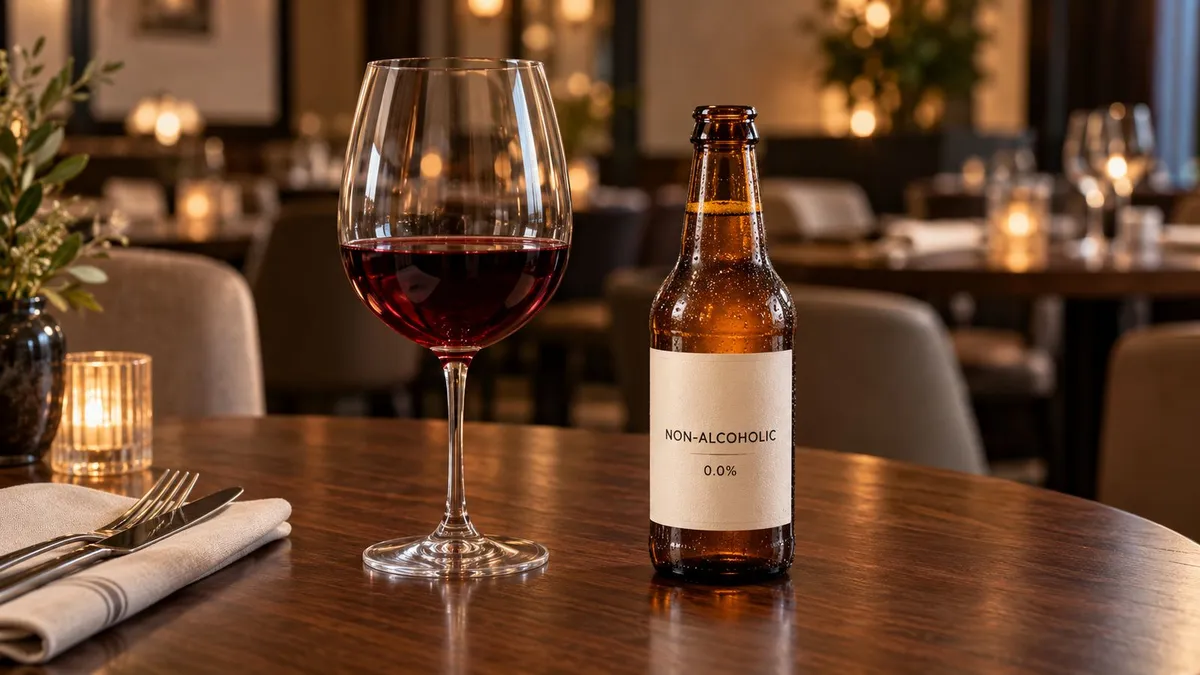
Find a different off switch: a walk after dinner, a sauna or hot shower, a good non-alcoholic beer, or time with your family with your phone in another room.
If you do have one, stop at least three hours before bed.
When the busy season hits
Some stretches are heavy on entertaining: selling a company, raising money, year-end, Stampede. Plan for them honestly. Keep your training on the calendar, protect your dry nights at home, and aim to hold your progress rather than push it. Coming out of a busy season at the same weight and strength is a win.
Try this two-week experiment
If you wear a Garmin, Oura or Whoop, use it. Collect a normal week of data. Then look at your sleep score, heart rate variability and recovery the morning after a night of drinking, and compare it to a dry night. Also write down how you feel: focus, mood, cravings.
Most people are surprised how clearly it shows up. Once you can see the cost in your own numbers, it's a lot easier to decide which nights are worth it.
Want help putting this into your week?
At Ludus, we build the plan around your real schedule, client dinners and all, so you know exactly what to do and someone notices when life gets in the way.
Not ready yet? Grab our Calgary Eating Out Guide for what to order at client dinners.